In the modern home furnishing market, “sofa-in-a-box” (or compressed sofas) is becoming a new favorite among young consumers.The experience feels almost like magic: a single cardboard box arrives, and within minutes of unpacking, the sofa begins to “breathe,” expanding into its full shape. Behind this seamless user experience lies decades of co-evolution between material science and industrial design.
Today, we will take a deep dive into how the compressed sofa evolved from a daring design concept into a mature product that has revolutionized global furniture logistics.
Tracing the Origins: The Rise of All-Foam Structures and the Birth of the Togo Sofa
The soul of the compressed sofa lies in its frameless design. This concept dates back to the mid-20th century, when pioneering designers began to break away from heavy wooden or metal frames, opting instead to craft sofas using polyurethane foam fillings.
The most iconic representative is undoubtedly the Togo sofa, designed by Michel Ducaroy in 1973 . It holds the distinction of being the world’s first all-foam structure sofa.
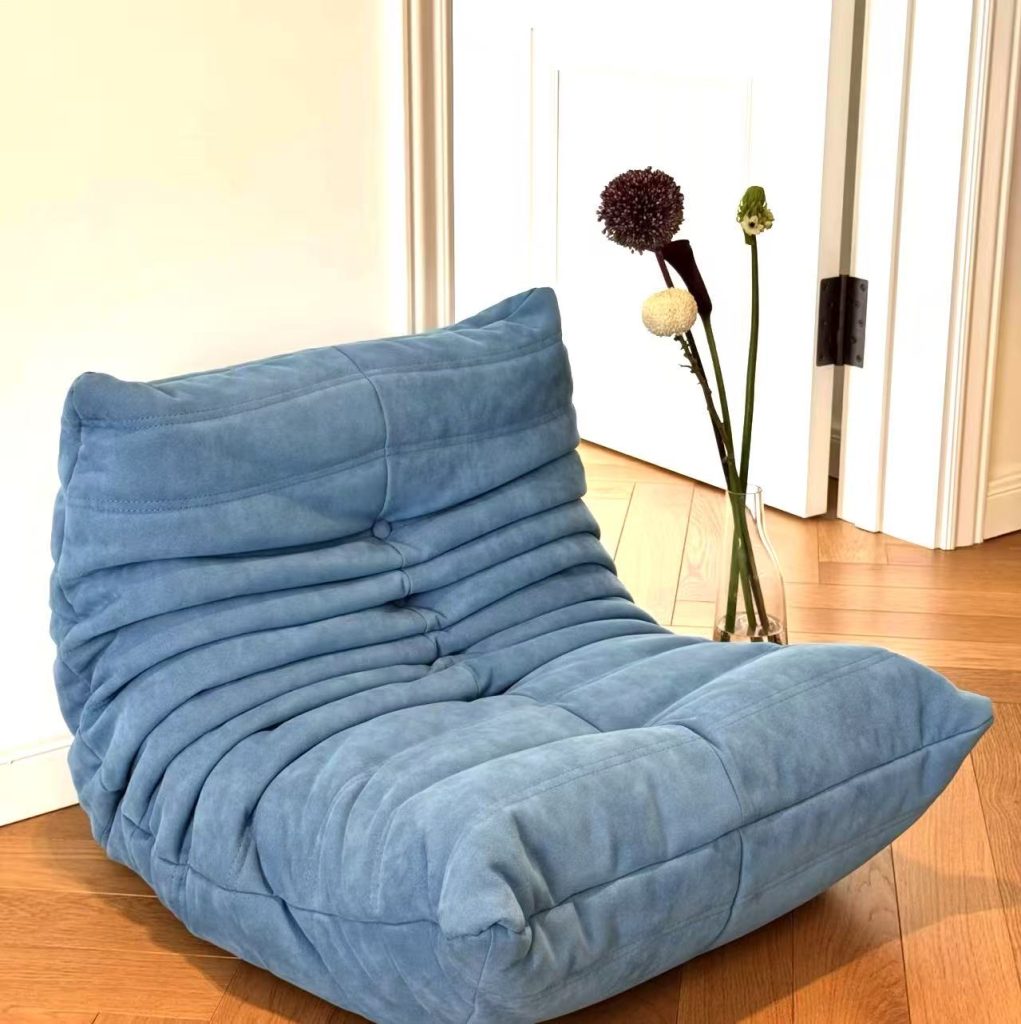
Design Breakthrough
By combining foams of different densities, it mimics a sense of “envelopment” similar to the natural folds of the human body
Historical Milestone
It proved that a sofa does not require rigid support to provide ultimate comfort. This all-foam structure provided the physical prerequisite for later “compressibility”—without a rigid frame, the sofa gained the inherent potential to be physically compressed.
The Breakthrough: The Maturity of High-Density Foam Technology in the 21st Century
While frameless sofas first emerged in the 1970s, the ability to achieve “long-distance transport without collapse after compression” is truly thanks to advancements in material chemistry in the 21st century.
Early versions of foam were prone to “permanent deformation” after prolonged compression, meaning they often failed to regain their original shape once unpacked.
High-Density Foam
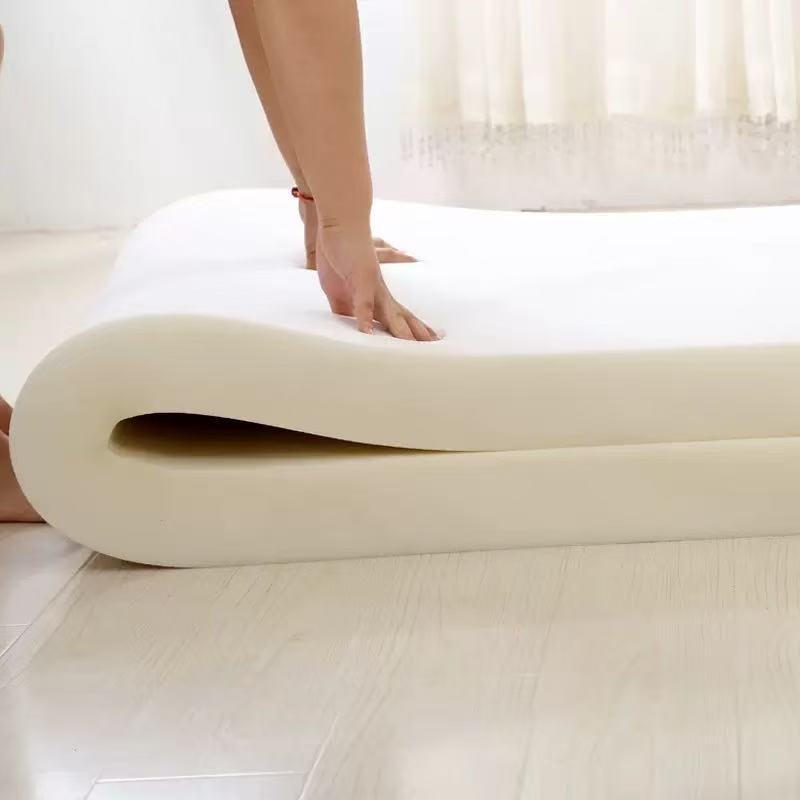
Material Foundation
This material can withstand tons of pressure from industrial-grade compressors and remain dormant in vacuum packaging for months, yet still rapidly recover its original design curves upon unpacking. This has laid the most solid material foundation for the commercialization of compressed sofas.
Crossing Over: The Industrialization from Mattress-in-a-Box to Compressed Sofas
The widespread popularity of compressed sofas would not have been possible without the pioneering efforts of their “sibling product”—the mattress-in-a-box—which served as a testing ground for production processes.
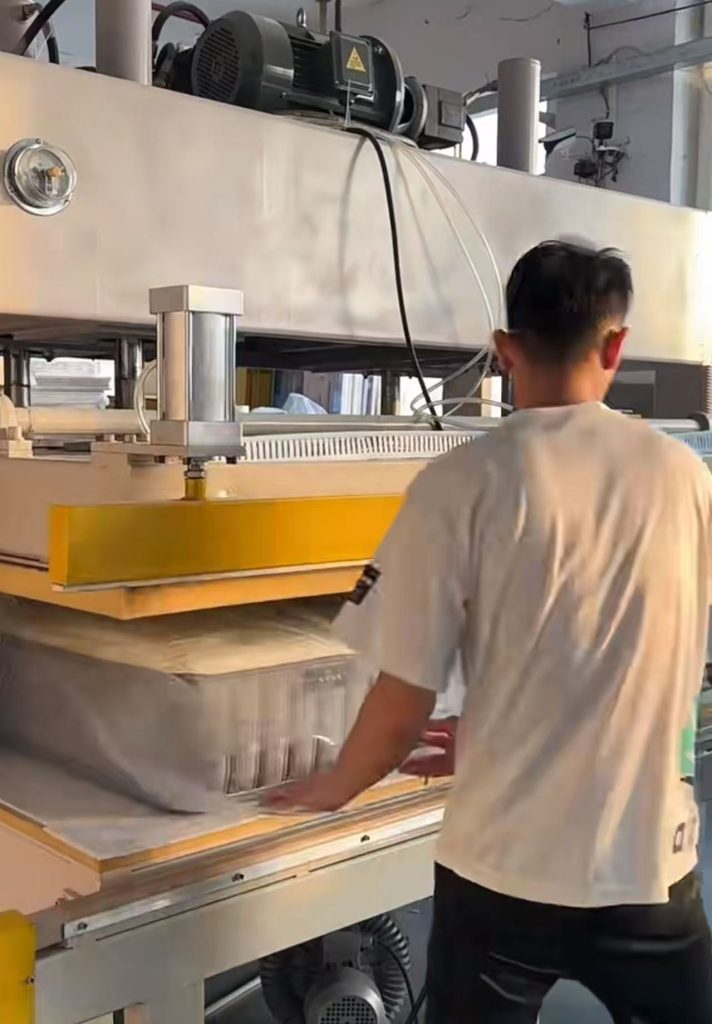
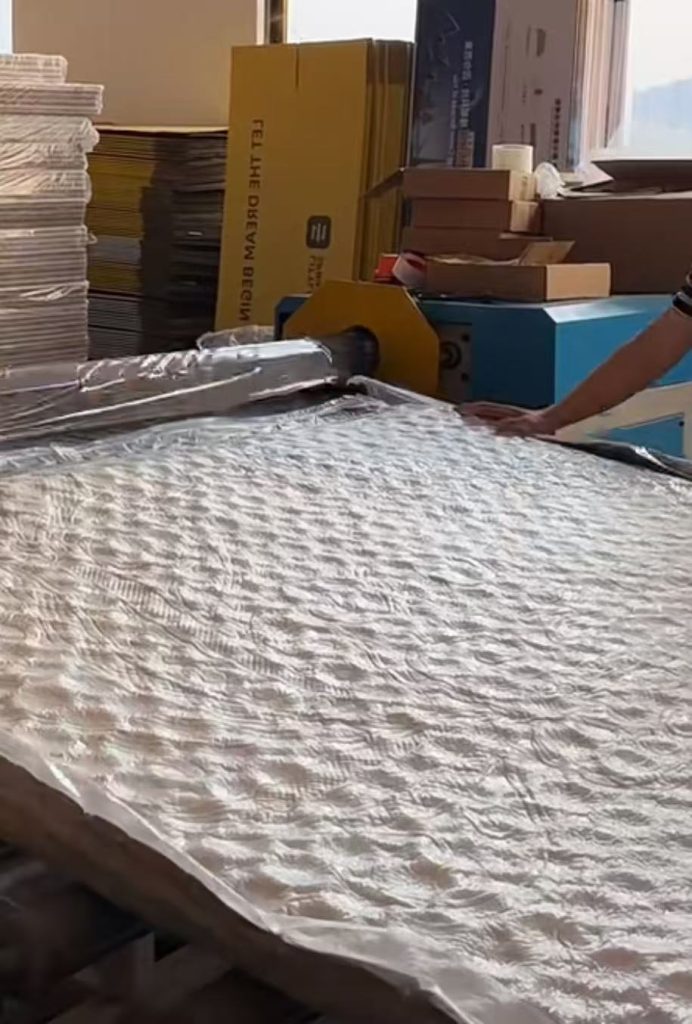
To reduce cross-border logistics costs and simplify the “last-mile” delivery to homes, furniture manufacturers introduced large-scale vacuum compressors and automated roll-packing machines.
The process involves first vacuum-sealing the finished product to flatten it, and then using a rolling machine to shape it into a cylindrical roll for boxing. This model first achieved massive commercial success within the mattress industry.
Precisely because these brands accumulated vast amounts of data through compression-rebound testing and logistics packaging, the sofa industry was able to rapidly replicate this mature supply chain ecosystem, turning the concept of a “sofa-in-a-box” into a reality.
Take Casper, for example. As the global pioneer of the “mattress-in-a-box” concept, Casper utilized social media marketing to turn the “unboxing and expansion” experience into a form of social currency.
Conclusion: Why Compressed Sofas are the Trend of the Future?
The compressed sofa is not only a triumph of material science but also a precise response to the modern lifestyle.
Logistical Advantages
With a volume reduction of over 70%, both carbon emissions and transportation expenses are drastically lowered. For distributors, the significant decrease in sea freight and “last-mile” delivery costs leads to a substantial boost in profit margins.
Delivery-Friendly
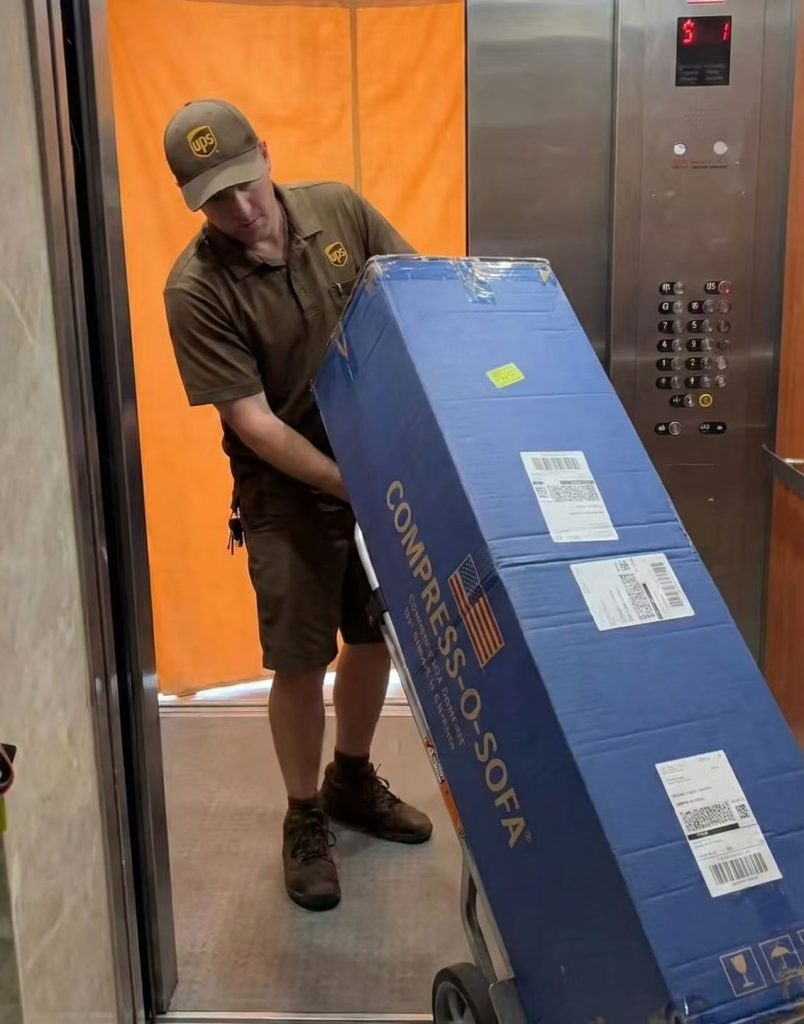
From the early “skeleton-less designs” pursued for artistic expression to today’s technology-driven industrial products, the history of the compressed sofa is, in essence, an evolution of materials serving people and technology serving life.